Showing all 7 results
Over the past decade, Korean botulinum toxin products have reshaped the global aesthetic medicine landscape. Known for advanced biotechnology, competitive pricing, and consistent clinical outcomes, Korean-made botulinum toxin type A, often referred to as “Korean Botox,” has become a preferred choice for many medical professionals worldwide.
From facial rejuvenation to therapeutic muscle relaxation, these products offer reliable performance while meeting the evolving demands of modern aesthetic practices.
This category overview explores botulinum toxin treatments in general, the rise of Korean botulinum toxin formulations, and an introduction to some of the most recognized Korean brands used by certified healthcare professionals today.
WORTH KNOWING:
Korean Botox is recognized for its high quality and straightforward application. While being manufactured by exceptionally effective ingredients, Korean Botox products are used to reduce wrinkles, manage blepharospasm, and treat hyperhidrosis being intramuscularly injected. It is also worth mentioning that the effects of Korean botox typically last from three to six months after treatment.
Apart from hyaluronic acid treatments (such as European, American, or Korean dermal fillers), aesthetic clinics also frequently use botulinum toxin treatments for skin repair. What exactly they are? Let us check it out together!
Botulinum toxin type A is a purified neurotoxic protein that temporarily blocks nerve signals to muscles. By inhibiting acetylcholine release at the neuromuscular junction, it causes controlled muscle relaxation. This mechanism makes it an essential tool in both aesthetic and therapeutic medicine.
In aesthetic practice, botulinum toxin is primarily used to soften dynamic wrinkles, including:
It is also widely used for facial contouring, such as masseter reduction for jawline slimming, trapezius reduction, and neck rejuvenation.
Beyond aesthetics, botulinum toxin plays a key role in treating:
The versatility of botulinum toxin treatments has made them a cornerstone of injectable medicine.
South Korea is globally recognized as a leader in aesthetic innovation and cosmetic medicine. The popularity of Korean botulinum toxin brands is driven by several factors:
Korean pharmaceutical companies invest heavily in research and development, modern fermentation techniques, and sophisticated purification processes. These efforts result in high-quality botulinum toxin formulations with predictable performance.
Korean Botox is less expensive than Western products but functions similarly or even superior. Compared to some long-established brands, Korean botulinum toxins often offer more accessible pricing, strong value for high-volume practices, and greater flexibility for clinics serving diverse patient demographics. This affordability does not compromise efficacy when products are sourced and administered correctly.
Many practitioners report smooth, natural-looking outcomes, reliable onset and duration, and high patient satisfaction when treatments are properly planned and executed. As a result, Korean botulinum toxins have become widely adopted in both emerging and mature aesthetic markets.
While each brand has unique attributes, most Korean botulinum toxin products share several common features:
Differences between brands often relate to purity, protein load, diffusion characteristics, onset speed, and pricing, allowing practitioners to tailor treatments to individual patient needs.
Today, the aesthetic market offers a number of certified Korean botulinum toxin products that function as effective neuromodulators with predictable and long-lasting results. Below is an overview of the key brands available at FillerCloud.
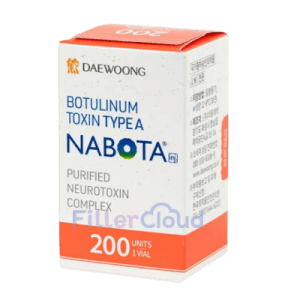
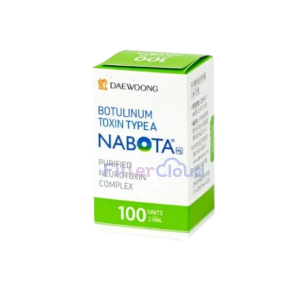
Nabota is one of the most internationally recognized Korean botulinum toxin brands, manufactured by Daewoong Pharmaceutical. It received FDA approval on February 2, 2019, and is marketed in the United States under the brand name Jeuveau — making it the first Korean botulinum toxin to receive FDA clearance for aesthetic use.
Nabota is noted for its high-purity formulation achieved through an advanced manufacturing process that minimizes complexing proteins, resulting in a predictable diffusion profile and reliable clinical outcomes.
Key features:
Nabota is commonly chosen for precision-focused procedures such as glabellar lines, crow’s feet, forehead lines, and subtle facial refinements. Its competitive wholesale pricing makes it a preferred option for clinics managing high patient volumes.
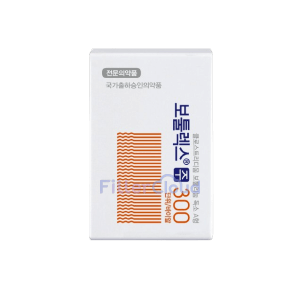
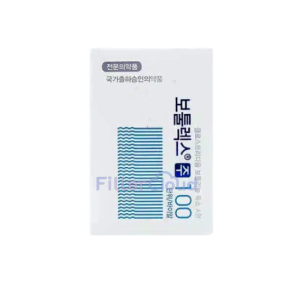
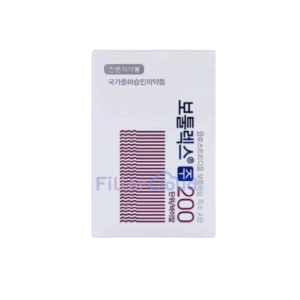
Botulax is a botulinum toxin type A product manufactured by Hugel Inc., one of South Korea’s leading biopharmaceutical companies. In international markets, particularly in Europe, Botulax is commercialized under the brand name Letybo, which received EMA (European Medicines Agency) approval — marking it as one of the few Korean botulinum toxins to achieve regulatory clearance in the European Union.
Botulax is widely used across Asia, Europe, and other global markets, and has built a strong reputation among aesthetic practitioners for its consistent performance and favorable tolerability profile.
Key features:
Botulax is suitable for a broad range of aesthetic indications, including glabellar frown lines, forehead wrinkles, crow’s feet, and masseter reduction. Its availability in both 100U and 200U presentations offers flexibility for practices of varying treatment volumes.
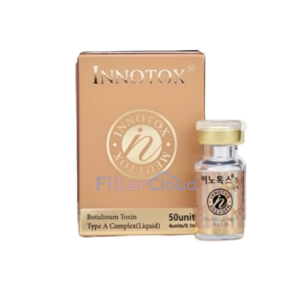
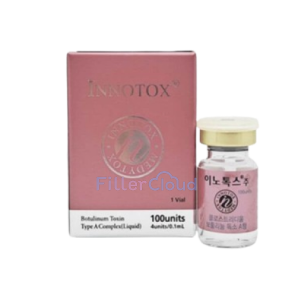
Innotox is a unique Korean botulinum toxin product manufactured by Medytox Inc., distinguished from other products in this category by its liquid, ready-to-use formulation. Unlike conventional lyophilized botulinum toxins that require reconstitution with saline prior to injection, Innotox is supplied as a pre-diluted solution, eliminating the reconstitution step and reducing the risk of dilution errors in clinical settings.
Innotox contains botulinum toxin type A in a stabilized liquid form, which offers consistent concentration across doses and simplifies workflow in busy aesthetic practices.
Key features:
Innotox is used for the same aesthetic indications as other botulinum toxin type A products, including dynamic facial wrinkles such as glabellar lines, forehead lines, and crow’s feet. Its ready-to-use format is particularly valued in high-throughput clinical environments where preparation speed and dosing accuracy are priorities.
In addition to Nabota, Botulax, and Innotox, several other Korean brands contribute to the global injectable market, including Meditoxin, Liztox, and Coretox. Each product differs slightly in formulation, diffusion profile, and handling requirements, offering practitioners multiple options depending on their clinical preferences and patient profiles.
| Brand | Manufacturer | Formulation | Available Units | Regulatory Status |
|---|---|---|---|---|
| Nabota (Jeuveau) | Daewoong Pharmaceutical | Lyophilized powder | 100U, 200U | FDA-approved (US) |
| Botulax (Letybo) | Hugel Inc. | Lyophilized powder | 100U, 200U | EMA-approved (EU) |
| Innotox | Medytox Inc. | Ready-to-use liquid | 50U, 100U | Korea MFDS-approved |
Although Korean Botox products are recognized for their quality and innovation, there are several clinical factors practitioners should evaluate when selecting a product for their practice.
The choice between lyophilized powder (Nabota, Botulax) and a ready-to-use liquid (Innotox) may influence workflow, dosing precision, and storage requirements. Liquid formulations eliminate reconstitution variability but may have different shelf-life considerations once opened.
Purity levels can influence the risk of antibody formation, long-term treatment effectiveness, and consistency of clinical results. Some practitioners prefer higher-purity formulations for patients receiving frequent injections over many years.
Controlled diffusion is essential for treating delicate facial areas, achieving symmetrical results, and avoiding unwanted muscle relaxation. Broader diffusion may be advantageous for larger muscles or therapeutic applications.
Most Korean botulinum toxins demonstrate onset within 2–7 days, peak effect around 10–14 days, and duration of approximately 3–4 months. Individual patient factors and injection technique play a significant role in outcomes.
When used by trained and certified healthcare professionals, Korean botulinum toxin products have a strong safety profile. As with all injectable treatments, safety depends on proper patient assessment, correct dosing and dilution, accurate injection technique, and adherence to storage and handling guidelines. Adverse effects are typically mild and temporary when treatments are performed correctly.
WORTH KNOWING:
Patients are not eligible to buy or administer botulinum toxin products themselves. The only safe and legal way to receive Korean Botox is through a qualified medical professional. Self-administration of botulinum toxin by an untrained individual can result in serious adverse effects, including facial asymmetry, injection into the wrong muscles, or systemic complications. Using counterfeit or improperly stored botulinum toxin can lead to botulism, causing muscle weakness, difficulty breathing, or more severe outcomes.
Korean botulinum toxin products have earned their place in modern aesthetic and therapeutic medicine through innovation, reliability, and value. With trusted brands such as Nabota (Jeuveau), Botulax (Letybo), and Innotox available in the FillerCloud catalog, medical professionals have access to a diverse range of solutions tailored to different treatment goals, patient needs, and practice volumes.
If you are looking for a reliable source to order Korean Botox online, FillerCloud offers competitive pricing, free shipping on orders from $750, fast dispatch, and dedicated support for both retail and wholesale customers. All products are 100% authentic and supplied with full documentation to meet US import requirements.
You may download the form, complete it and email back to [email protected].
Or fax it at 360.768.3126